Just Write It - An Introspect

Like a lot of people, I consume a lot of online content. Writings, thoughts, memes, pictures, hate, advertisements, slop, games, you name it. Sometimes the content is good, sometimes it's just content. Sometimes the content makes me think "why would you put that on the internet?" and other times, "I'm sure glad somebody put that on the internet". Perhaps more importantly sometimes those thoughts go together, and if I were to bucket all the content I consume into one bucket or another, someone else's buckets might look completely different from mine.
In my mind, all these buckets, all these formats, and all this comment always leave me asking one question, and that question often has me going months without posting here.
That question is of course, why maintain a blog in 2026?
I've been sitting on various drafts of this post for over 4 months now. So let's take a brief detour to why I started this post, and then we'll come back to this thought.
What is a Blog?
I don't remember how I came about it, but the creator of https://micro.blog/ Manton Reece wrote a book about indie microblogging, which was a successful Kickstarter project. If you're ever looking for something to read I would highly suggest giving it a glance.

And in this book, Reece includes a link to some of his own notes from a particular day:
 Manton Reece
And in those notes, he links to a blog post by Joan Westenberg:
 JA Westenberg
Which is now a dead link, and doesn't seem to exist anymore. However, this isn't a post about digital archiving or "data hoarding". Thankfully Westenburg's writing is still available via the Internet Archive, but for our sake consider this quote from the article:
You can write a post working through an idea, acknowledge in the post itself that you’re not sure where you’ll end up, and invite readers to think alongside you. You can return to the topic weeks later with updated thoughts. The format accommodates the actual texture of thinking, which is messy and recursive and full of wrong turns.
For years a blog post was a place you went to read for me, just like you do a book. A book that's been drafted, edited, proofread, edited, thrown out, edited, abandoned, proof read, and then suddenly published. Fundamentally that's not how blogs have to work - that's not how blogs should work. A blog doesn't need to be a polished result of many nights of research! It certainly can be, but some of the most memorable writings I've read over the years never saw an editor, probably never saw spellcheck, and may not have even seen a sober set of eyes before being sent out into the world for others to enjoy.
Content doesn't have to be polished, it doesn't have to be complete even. Making content of any kind available for others to have the chance to find is all it takes for the effort to be worthwhile as it's not about appealing to the reader but allowing the writer's mind to troubleshoot, to explore, to create.
Why Maintain a Blog in 2026?
So with that said, having sat on this for 4 months I think it's time to stop sitting on it, and to start letting create happen more often. Especially now that Ghost is a little more tied with some of the open social networking networks and platforms, it's important to embrace the different formats content can be in. As somebody who has managed to avoid most of the short form content of the world there's power in being able to wander and waver on an idea within a single paragraph, and at a time where a subset of humans are pushing technology further and faster to empower humans to do less wavering, less wandering, less creating there's something deeply empowering about sitting down without distractions and seeing what comes out.
Like this ramble, for example, to break a multi-month block of getting nothing else out.
Read more
Introducing: Labs
Like most people, I spend a lot of time trying out a new idea, hitting a wall with the idea, and then throwing the idea out. The large gaps in posts here are a symptom of that, but it's not necessarily a problem. Trying things out is good,

GitHub Action Runners and the Personal Repository
A while back I made the decision to try and standardize on a single CI/CD/Git platform, and at the time GitHub made the most sense. I've spent years bouncing between GitLab, Gitea, Bitbucket, and GitHub and probably lost dozens of projects in the switches over the
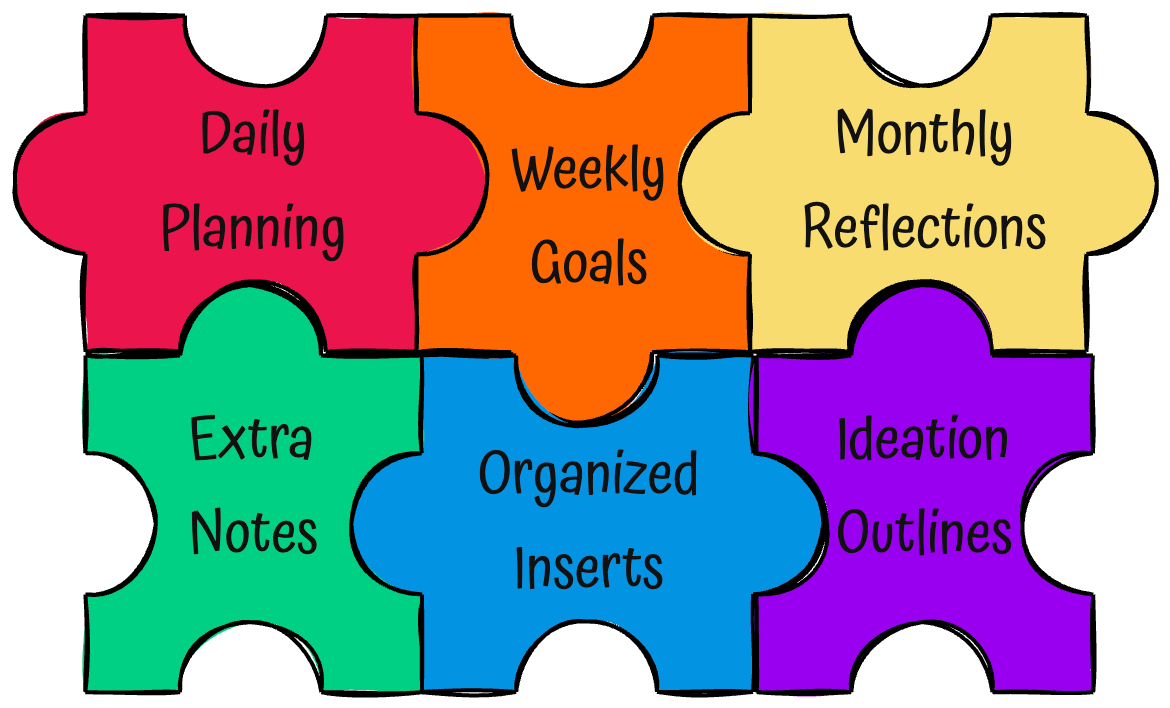
Building a Monthly Planner
A post highlighting my current planning/journaling/note taking solution, with a custom set of pages printed and bound together each month.